Visit Bible land
“I will bless those who bless you …” Genesis 12:3
Since 2004, we’ve been dedicated to creating journey that inspire and transform. Our mission is simple yet profound: to help our travellers encounter Jesus in Israel and the Bible lands, experience the Bible more deeply, and return home with lasting memories and renewed faith. We design each itinerary around your interests and travel style, taking care of every detail so you can relax and enjoy the journey. Whether in Israel, Jordan, Turkey, or Greece, our commitment is the same: a seamless, meaningful, and unforgettable adventure.
News & Stories

Imagine stepping into a Mediterranean marketplace nearly 2,000 years ago — spices in the air, merchants calling out, bronze coins changing hands, craftsmen at work, and philosophers debating under the shade of open-air columns. These busy public spaces were at the heart of ancient city life. They were also places where the Apostle Paul met people, worked, taught, and shared his faith.
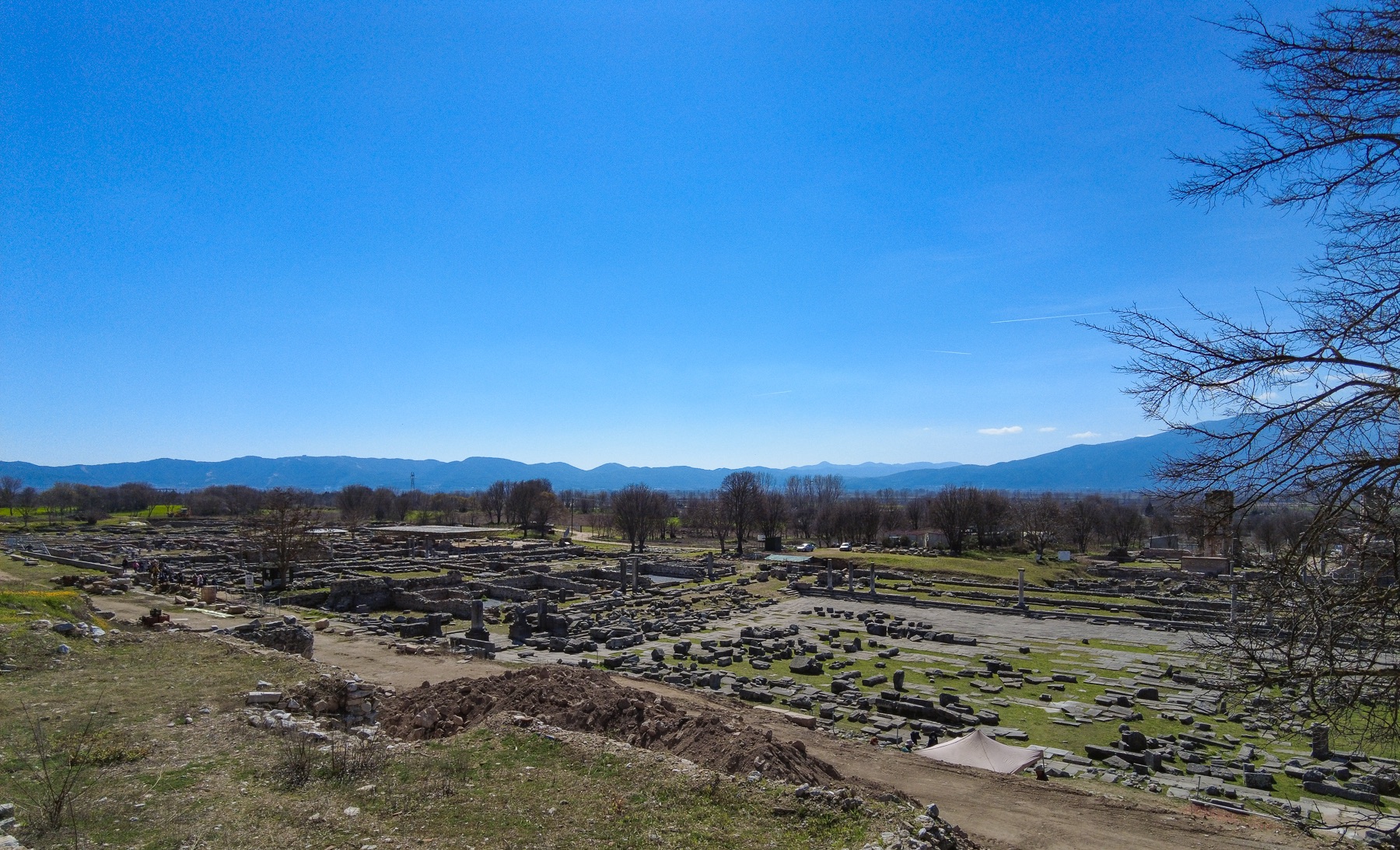
Philippi | Acts 16:11-40
After Paul freed an enslaved girl from exploitation, her angry owners dragged Paul and Silas into the public square, where they were beaten and imprisoned. Yet even in chains, they prayed and sang hymns. As you walk through the ruins of Philippi today, it is amazing to imagine what happened here — and how Paul continued to hold firmly to his faith in the face of injustice and corrupt systems.
Thessaloniki | Acts 17:1-9
Paul’s preaching in the marketplace sparked such a powerful response that opponents accused the believers of “turning the world upside down.” From this turmoil emerged a resilient community of faith. Paul later praised them, writing, “Your faith in God has gone forth everywhere.” Thessaloniki reminds us that opposition cannot extinguish genuine faith, love, and truth.
Athens | Acts 17:15-34
Walking through the Athenian Agora, Paul engaged daily with local thinkers and philosophers. Later, invited to speak at the Areopagus (Mars Hill) overlooking the marketplace, he pointed to their altar dedicated to an “Unknown God” as a starting point to introduce them to the living God. Athens offers a powerful example of meeting people where they are — engaging culture, curiosity, and reason with wisdom and respect.
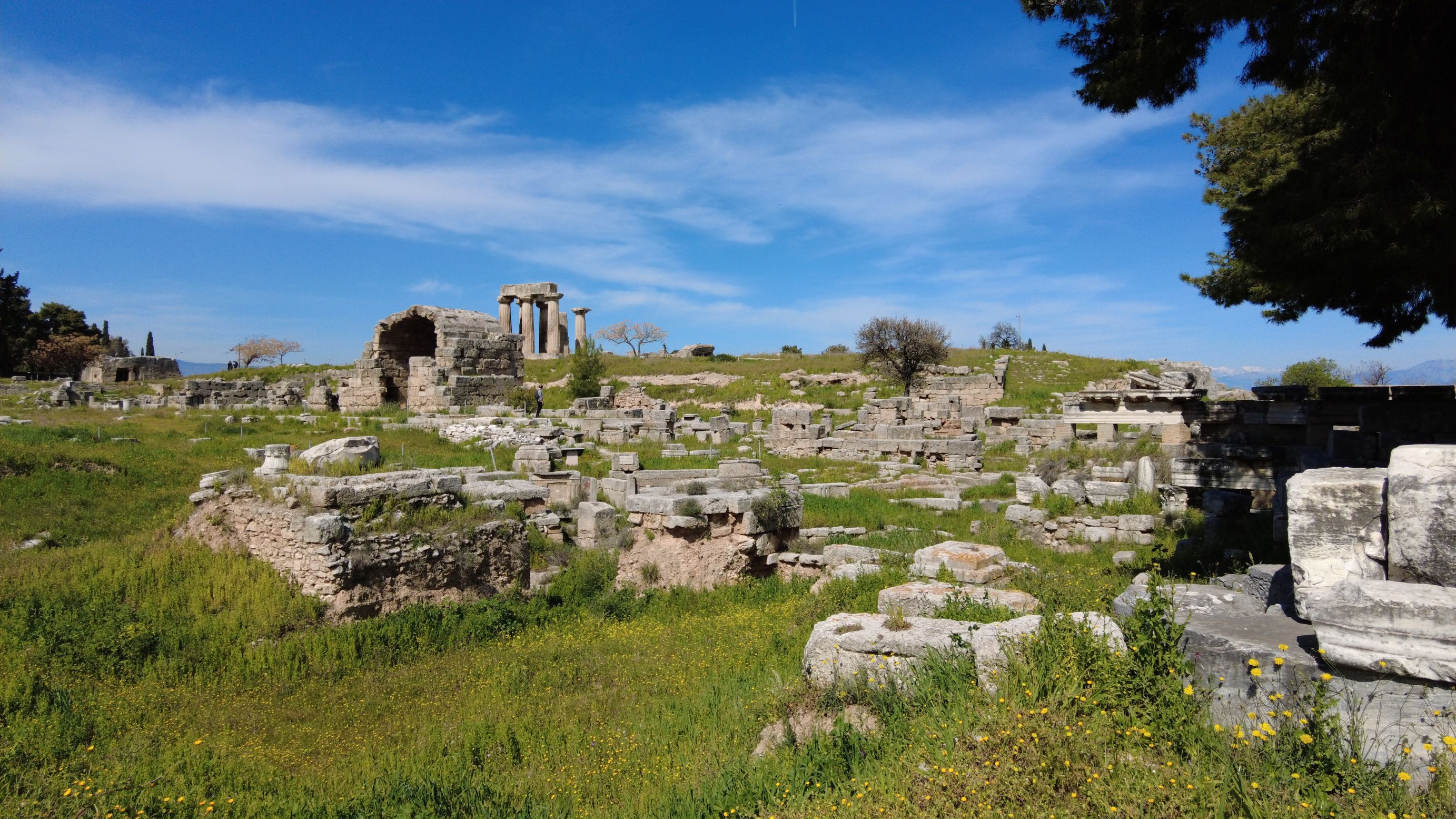
Corinth | Acts 18:1-18
Paul worked alongside Aquila and Priscilla as a tentmaker while sharing his faith in the busy forum. Amid the noise of trade and daily life, he helped establish a thriving community nurtured through his letters. Corinth shows that grace flourishes in hard places and that strong community grows out of daily work, relationships, and shared faith.
Ephesus | Acts 18:19-21; Acts 19
Ephesus thrived on the production and sale of silver shrines. As people embraced Paul’s message, demand for idols plummeted — sparking a massive uproar in the city’s theatre. Decades later, the church in Ephesus received another message letter — this time in Revelation — urging them to return to their “first love” (Revelation 2:4). Ephesus highlights the tension between commerce and devotion, challenging us to guard our heart and priorities amid the hustle of everyday life.
Step into the Story
Paul’s ministry was never hidden away — it was lived out in the public square, shared over honest work, and built through genuine fellowship. Retracing his footsteps across Greece and Türkiye offers a fresh perspective on what it means to bring faith, hope, and truth into our modern world.
Ready to experience these historic sites?
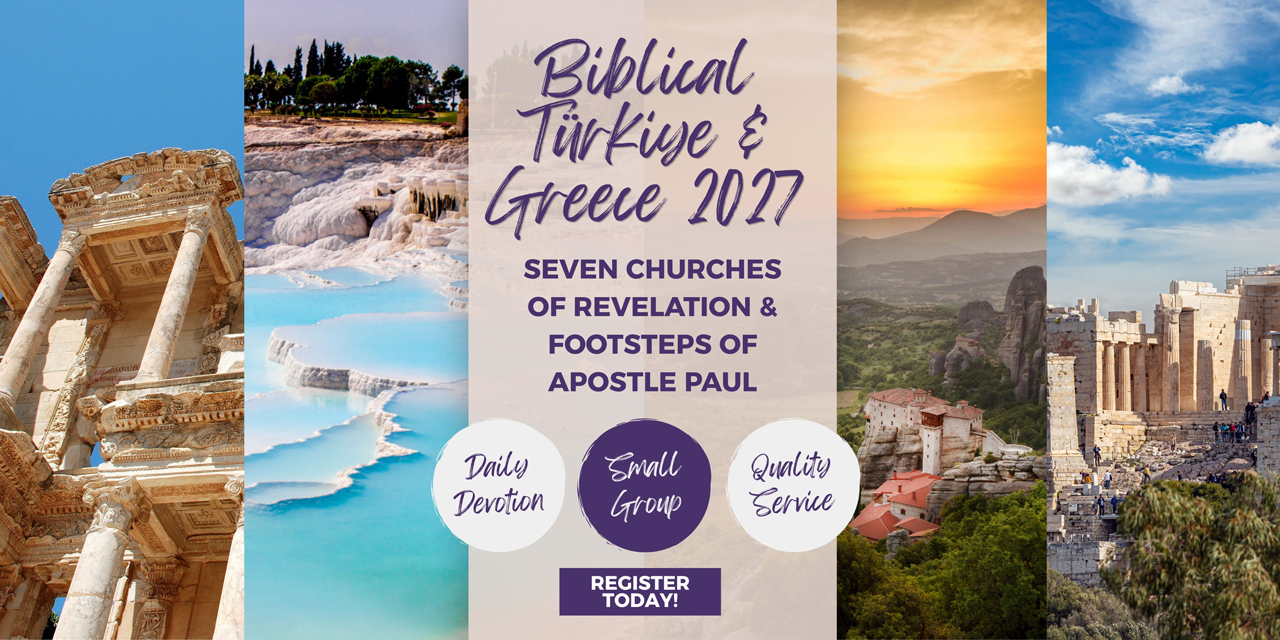
Join us from 12 to 23 April 2027 as we retrace the footsteps of Paul through Greece and Türkiye.
Click here for full tour details.

For more information on our destinations, click on the following: Israel | Jordan | Türkiye | Greece
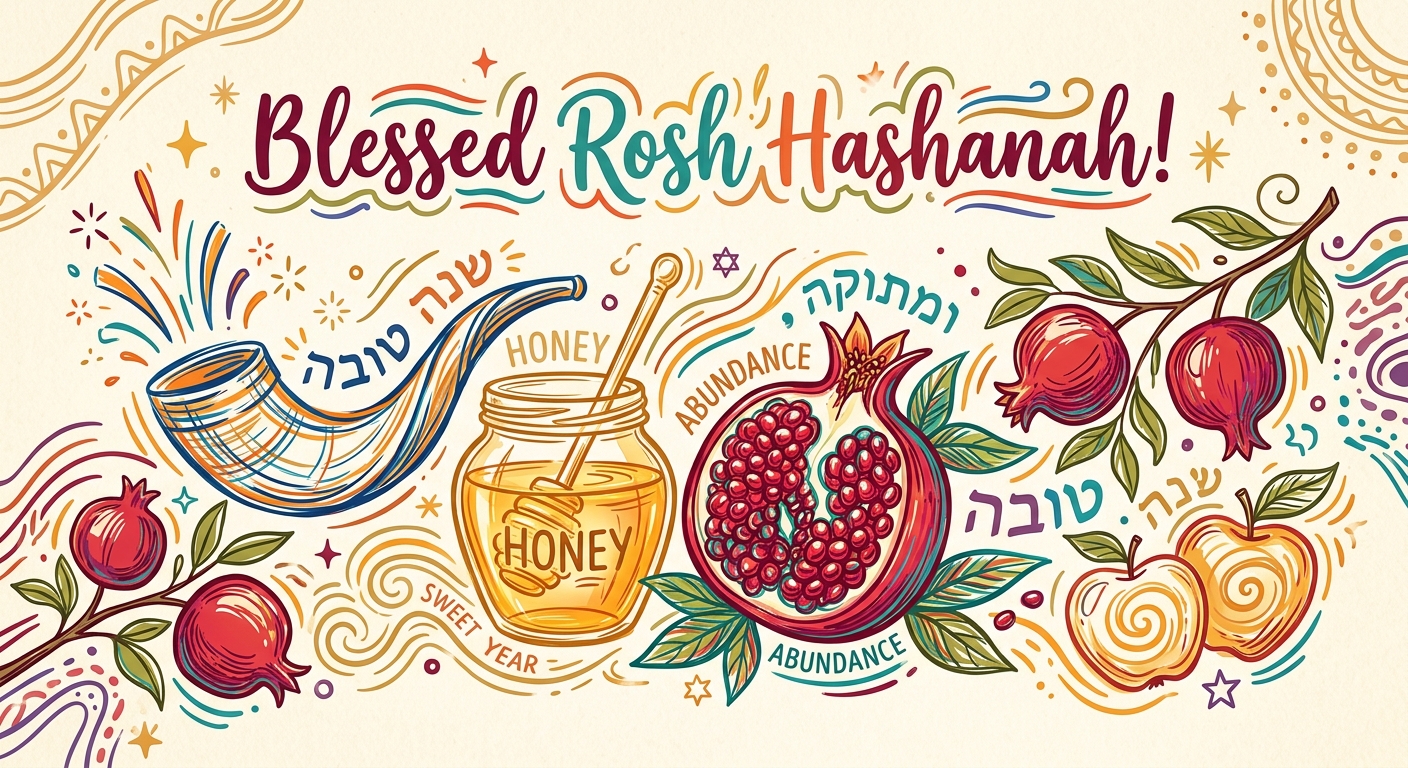
Shanah Tovah — Happy Jewish New Year!
Evening of Friday, 11 September 2026 – Sunday, 13 September 2026
There is something beautiful about the idea of beginning again.
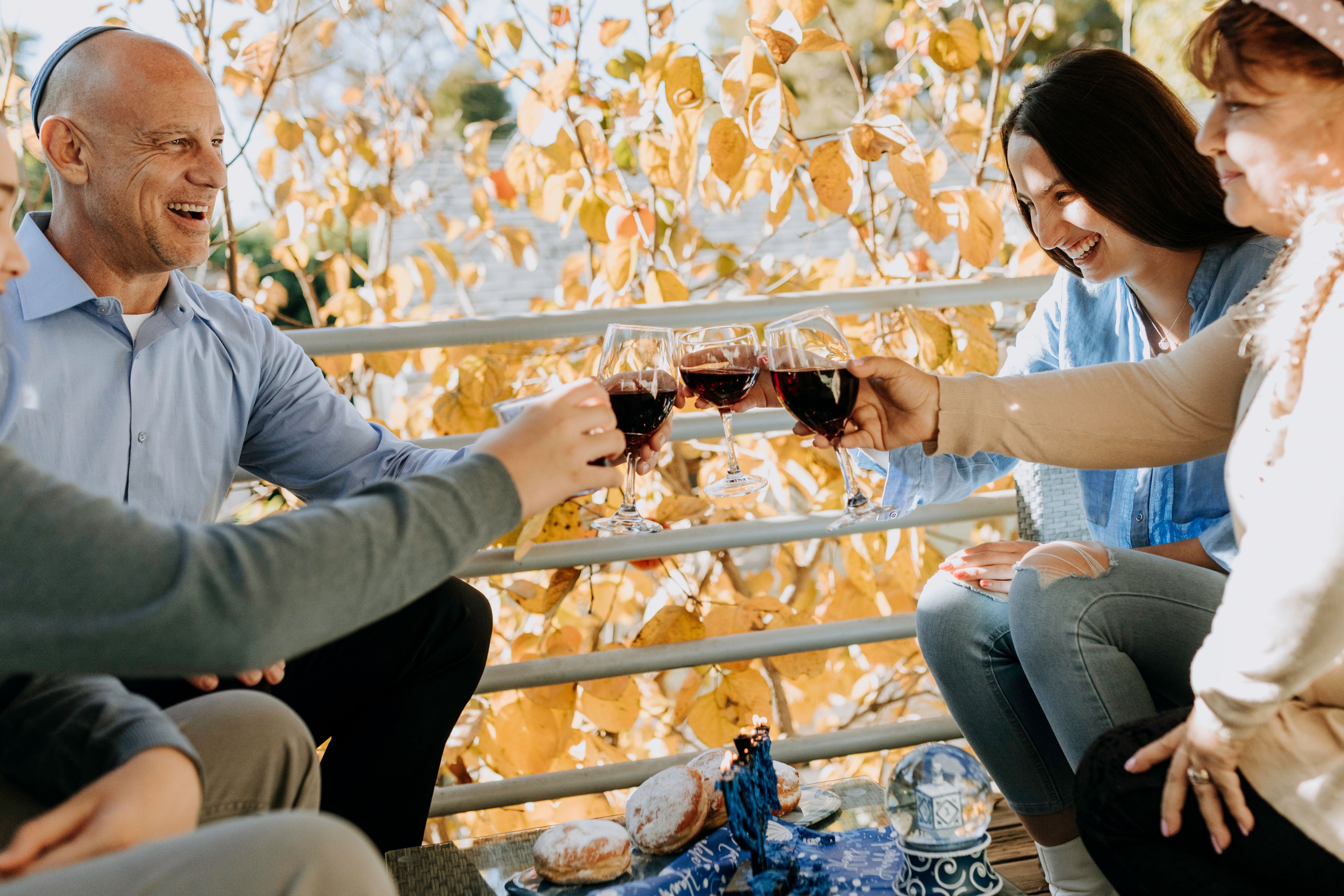
Rosh Hashanah gives us that opportunity. As the Jewish New Year arrives, we are invited to slow down, reflect on where we have been, give thanks for the blessings we have received, and look ahead with renewed hope. It is not simply the turning of another page on the calendar. It is a moment to reconnect — with our faith, our families, our traditions, and the things that give our lives meaning.
The Sweetness of Tradition
Some of the most familiar Rosh Hashanah traditions carry beautiful messages.
The shofar calls us to awaken our hearts and pay attention to what truly matters. Its sound can be both stirring and hopeful — a reminder that a new beginning is possible. And then there are the apples and honey. There is something wonderfully simple about dipping a crisp apple into honey and sharing the wish for a sweet year. It is a small tradition, but it carries a big hope: that the months ahead will bring goodness, happiness, peace, and blessings.
These traditions connect generations. They remind us that while each year is new, the values we carry forward — faith, gratitude, family, hope, and love — remain precious.
Making Room for New Beginnings
A new year also gives us a chance to think about what we want to carry with us and what we might gently leave behind. Perhaps it is a chance to spend more time with the people we love. To be more grateful for ordinary moments. To make room for kindness. To reconnect with places and traditions that bring us joy.
Whatever a new beginning means to each of us, Rosh Hashanah reminds us that there is always room for hope.
A Prayer for Israel and the Holy Land
As we enter this new year, our hearts also turn toward Israel and the Holy Land. We pray for peace and protection, for comfort for those who are suffering, and for a future filled with hope. May God watch over Israel and its people and bring lasting peace to the land.
For many of us, the Holy Land holds a special place in our hearts. We look forward to the day when we can once again travel there freely, return to our favourite places, and experience the joy of walking together in the footsteps of the Lord.
A New Year to Share
To mark this special season, we invite you to enjoy our short Rosh Hashanah celebration video and share in a little sweetness, joy, and tradition.
Shanah Tovah!
May your New Year be filled with sweetness, peace, love, good health, beautiful memories, and abundant blessings.
For more information on our destinations, click on the following: Israel | Jordan | Türkiye | Greece
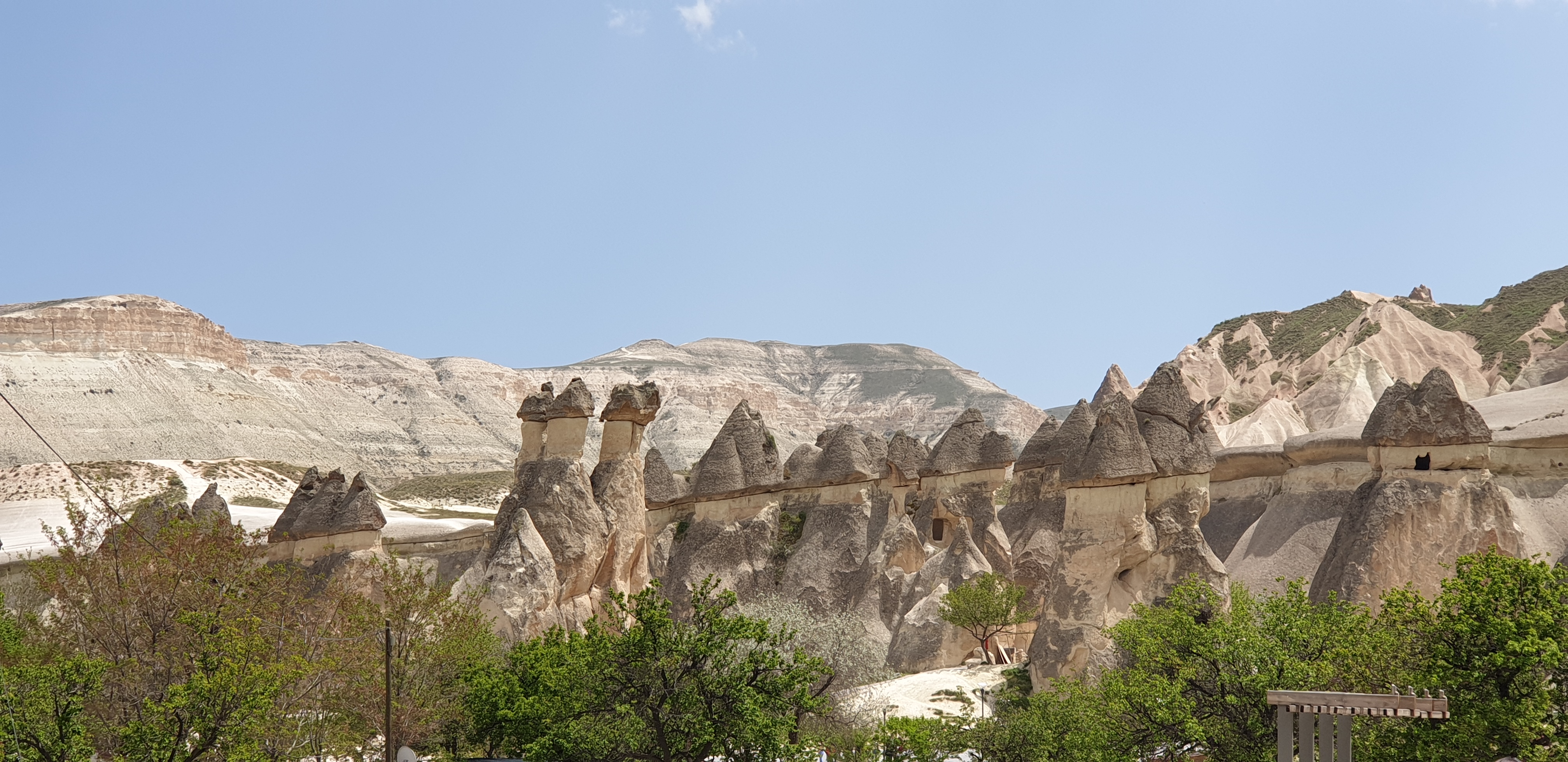
Rising from the valleys of central Türkiye, Cappadocia’s fairy chimneys stand like a stone forest, their tall, cone-shaped forms creating a landscape that feels almost otherworldly.
Cappadocia is more than valleys and churches — even the chimneys themselves tell a story where nature, history, and faith meet.
From Ash to Stone
Millions of years ago, volcanic eruptions blanketed the land in ash that hardened into soft tuff. Wind, rain, and snow slowly carved this rock into the striking pillars and towers we see today — a landscape that looks sculpted by hand.

Nature as Shelter
Because the tuff was easy to carve, people shaped these formations into dwellings, storerooms, chapels, and monastic cells. At Paşabağ (Monks Valley), some fairy chimneys still hold chambers once used by monks for solitude and prayer. Their mushroom-shaped tops make Paşabağ one of Cappadocia’s most memorable sights.
A Land of Faith
Cappadocia holds a special place in Christian story. The apostle Peter addressed believers here (1 Peter 1:1), and generations of Christians carved sanctuaries into this rock. What began as a land shaped by fire became a refuge for worship and communion with God.
Psalm 32:7 captures this spirit: “You are my hiding place; you will protect me from trouble and surround me with songs of deliverance.” Standing among the chimneys, the verse feels alive.
Enduring Beauty
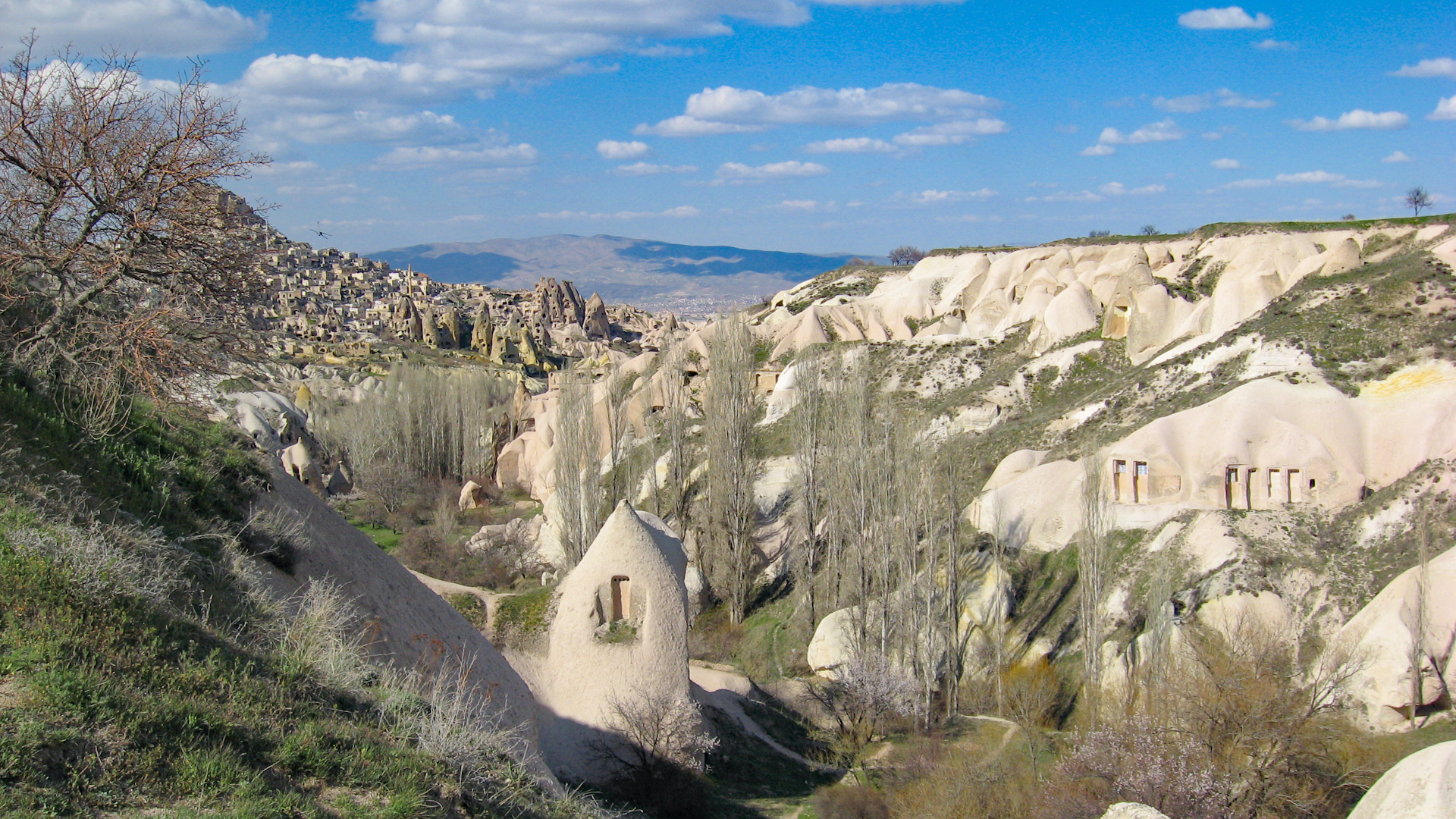
Formed by nature, shaped by human hands, and sanctified by faith, Cappadocia’s fair chimneys remind us how unlikely places can become symbols of refuge and devotion. Their beauty endures as testimony to creation and faith intertwined.
Join the Journey
Come and experience Cappadocia’s fairy chimneys for yourself — not just as breathtaking scenery, but as part of a living story of faith and history. Walk through valleys, step into ancient chapels, and let the land speak to your heart. We’d love for you to be part of our upcoming Biblical Türkiye tour and share in this unforgettable journey.
Click here to learn more about our Biblical Türkiye tour (27 Nov - 8 Dec 2026).
.jpg)
For more information on our destinations, click on the following: Israel | Jordan | Türkiye | Greece
🏛️Memories Beyond the Journey
Walking through the ruins of Ephesus, gazing across ancient Pergamum, or reflecting on the faith of the early believers in Smyrna, the Seven Churches of Revelation come alive during our Biblical Türkiye tour. These historic places leave you with stories etched in your heart. But as the journey ends, you may wonder — what gift can I bring home to share a taste of this land?
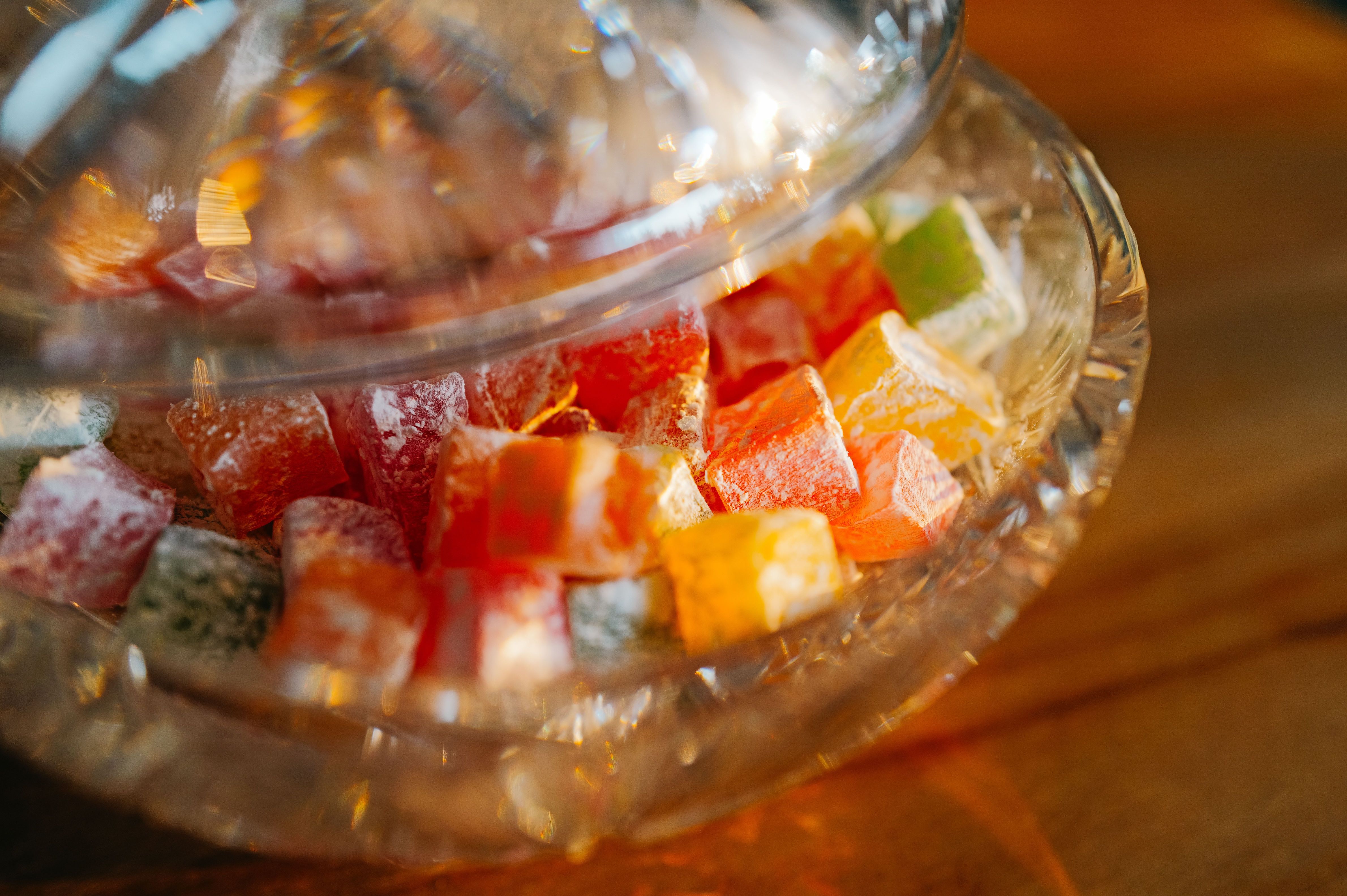
For many travellers, the answer is a box of authentic Turkish delight.
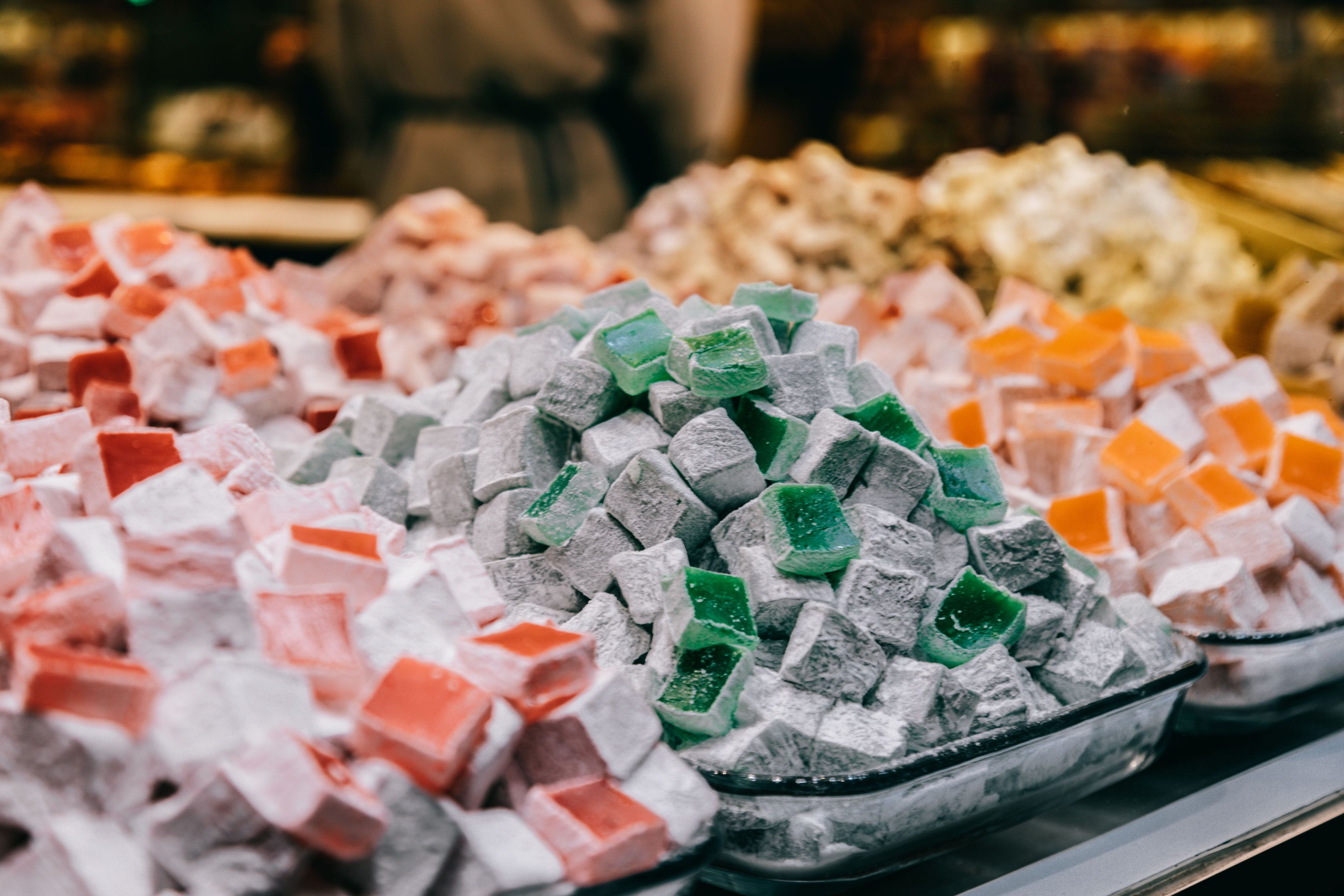
📜A Sweet with a Story
Known locally as lokum, this sweet became famous in the late 18th century when Istanbul confectioner Hacı Bekir perfected his recipe with sugar and starch. Once an exclusive luxury enjoyed in Ottoman palaces, lokum quickly became a national symbol of generosity and hospitality.
☕Flavours and Hospitality
Flavoured with rosewater, citrus, or mint, lokum is often filled with pistachios, hazelnuts, or walnuts. Fragrant rose remains the classic choice, while rich pistachio and vibrant pomegranate are traveller favourites.
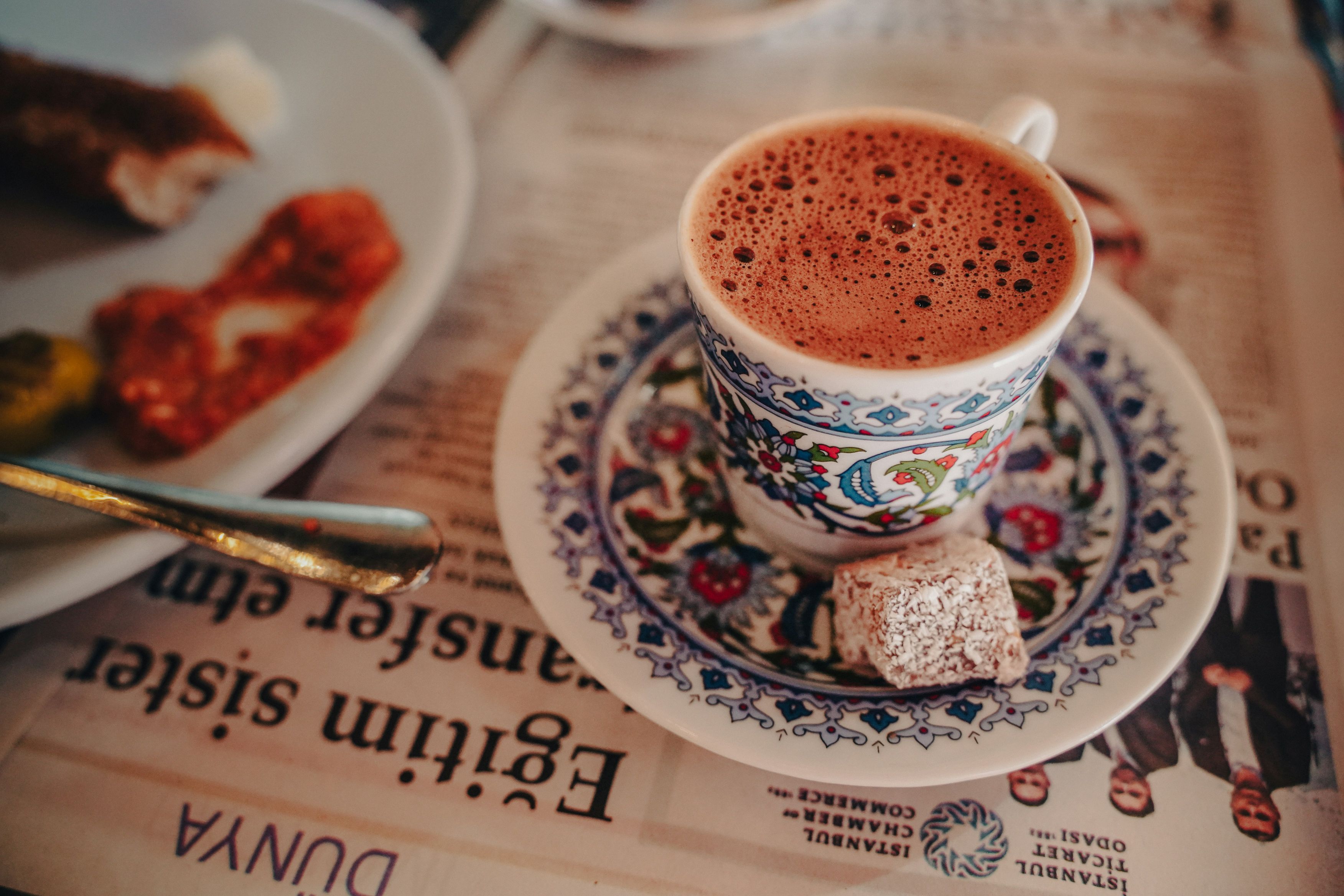
In Turkish culture, offering lokum is a heartfelt gesture of welcome. Served at celebrations and family gatherings, it traditionally accompanies a cup of Turkish coffee or tea, perfectly balancing the drink’s rich bitterness.
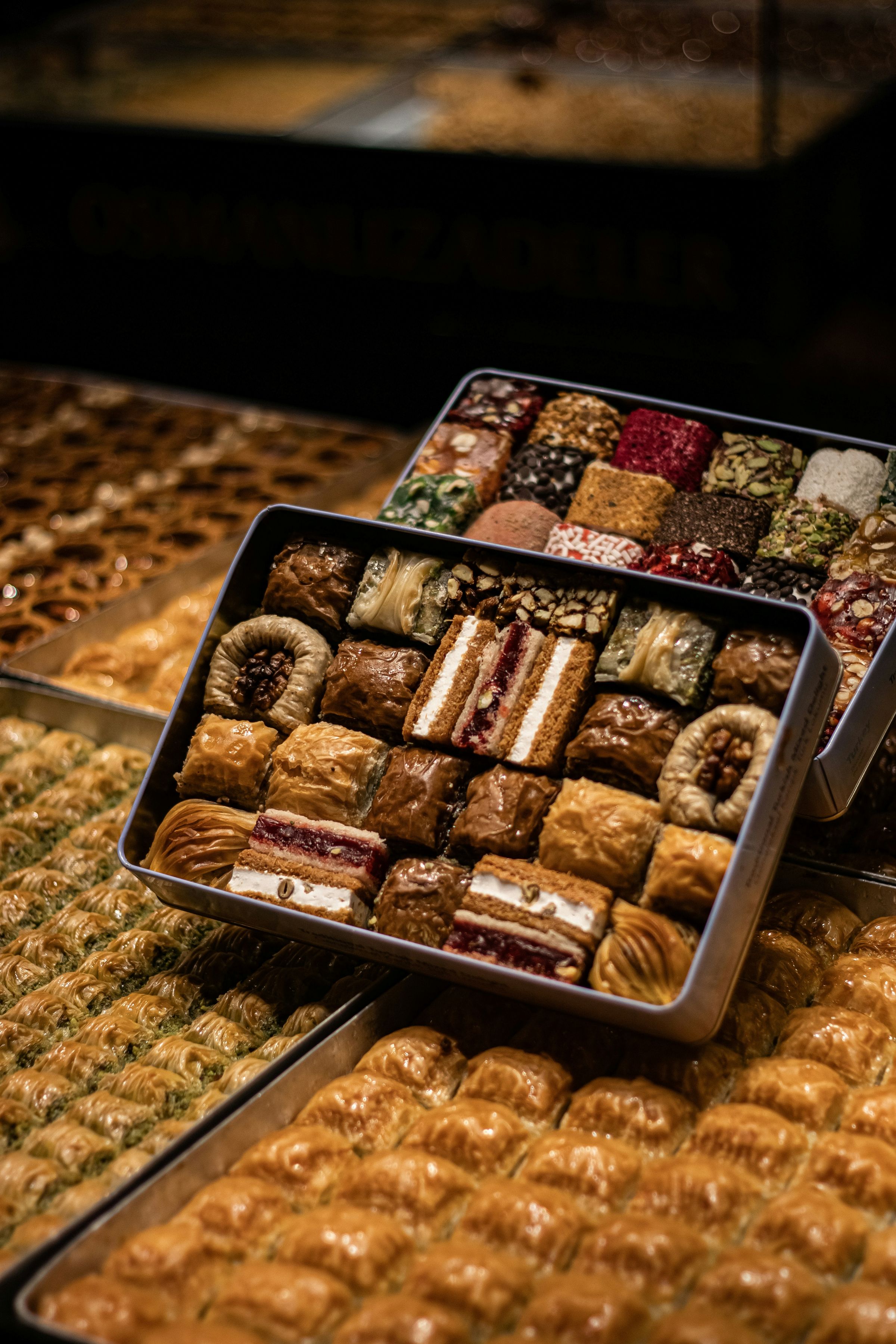
🥮A World of Sweets
Türkiye’s dessert traditions go well beyond lokum. You’ll discover golden, honeyed baklava, warm kunefe filled with melted cheese, and nutty halva — each reflecting centuries of tradition and artistry.
🎁Bringing the Memory Home
While our itinerary focuses on the Seven Churches of Revelation, you will also immerse yourself in Türkiye’s vibrant culture. On our first day, we explore Istanbul’s Spice Bazaar, where colourful trays of lokum sit among fragrant spices. You will also find plenty of opportunities to pick up some along our travel route or at the airport.
A box of lokum is more than a gift — it is a sweet reminder of your journey to share with those back home.
Click here to learn more about our Biblical Türkiye tour (27 Nov - 8 Dec 2026).
For more information on our destinations, click on the following: Israel | Jordan | Türkiye | Greece
Stay In The Know


© All rights reserved copyright 2026 | Licence Number: TA01376 | Privacy Policy | Terms Of Use